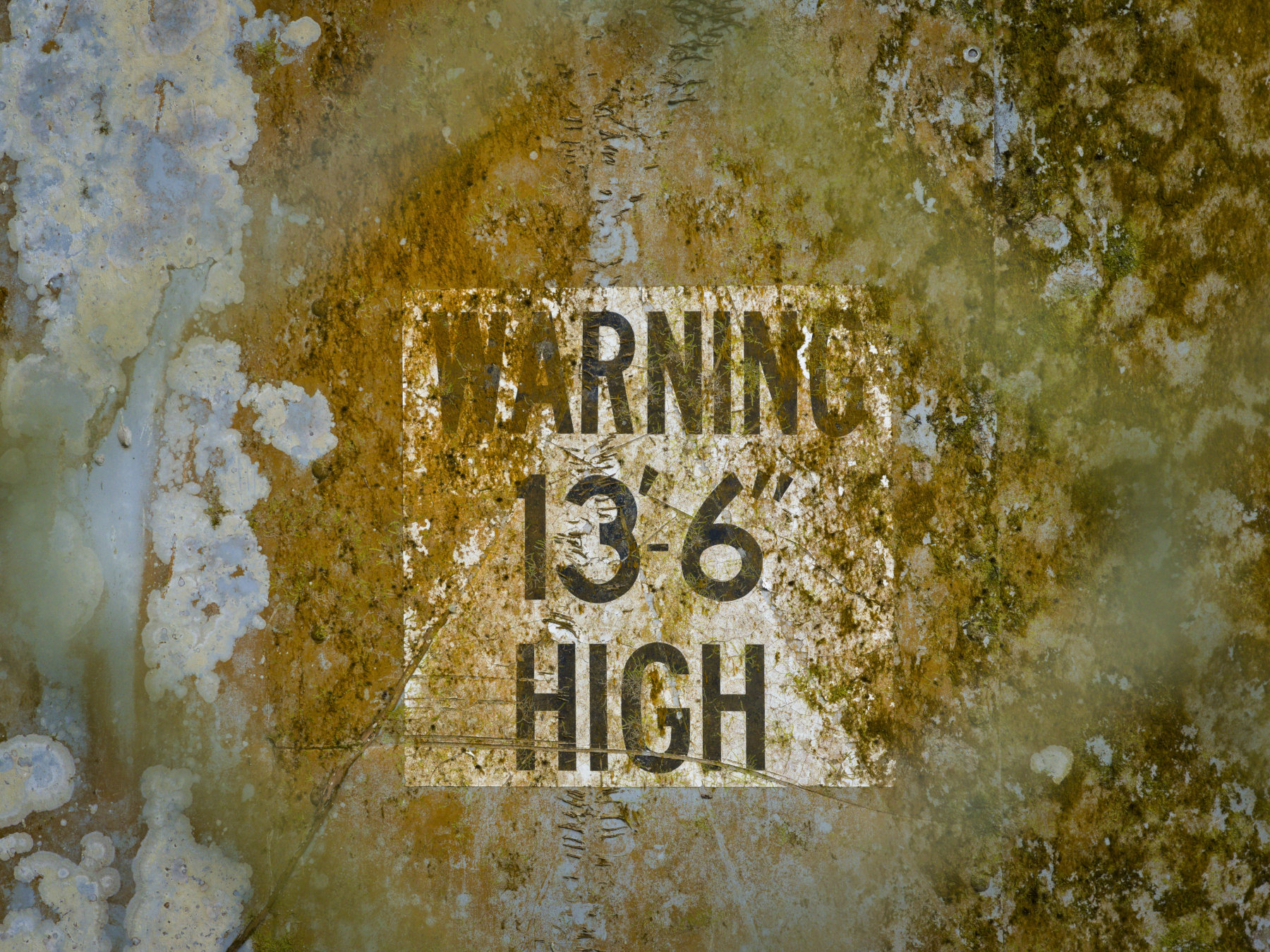
Shipping containers can be found in various stages of decay and disrepair all over our island. We see them in parking lots, between houses, at the side of roads, and in the jungles. Their often peculiar locations prompt questions about their origin, relationship to the surroundings, and contents.
These 20 or 40-foot steel boxes don’t arrive by accident. They are delivered by ship, transferred to a semi-trailer, and dropped carefully in a designated area. Whether filled before embarking or emptied and refilled on-site, someone had to organize and load the cargo.
Whoever spends time and money to make all this happen doesn’t intend to neglect or abandon their investment. But it does happen. The items inside, clearly fragile enough or valuable enough to be protected and remembered, are not.
I don’t own a shipping container. There is no rusty steel box in my yard waiting to be reclaimed by nature. But I do have some forgotten valuables in storage. Many of which recently came to mind when an old desktop computer refused to boot up. Its primary and secondary SSD’s contain files I want to preserve, but rarely open.
There are words and images in that archive I intend (eventually) to publish. Few have been processed in RAWTherapee or revised in gedit. None are ready for release. That’s why I used a few days off this summer to remove the padlock and pry open the double doors!
Most of those RAW photos and text documents have a new home in the cloud thanks to Filen. Items I no longer want are in the trash. Others have better labels in more logical folder structures. Everything was opened and reviewed.
Digital storage should be active storage. Important things filed away for years at a time are no help to anyone.